
Seoraksan National Park: Alpine Beauty of Gangwon 2025
Hello adventure seekers! Are you ready to discover one of South Korea's most breathtaking natural wonders? Seoraksan National Park in Gangwon Province offers an unparalleled alpine experience that captivates visitors year-round. Whether you're seeking thrilling hiking adventures, serene waterfall encounters, or convenient scenic transportation, this comprehensive guide will help you make the most of your Seoraksan journey in 2025.
📋 Complete Guide Contents
- Why Seoraksan is Korea's Alpine Paradise
- Osaek Course: The Ultimate Alpine Experience
- Biryong Falls: Nature's Spectacular Show
- Cable Car Adventures: Effortless Mountain Views
- Seasonal Beauty and Best Visit Times
- Essential Travel Tips for Adventurers
- Where to Stay Near Seoraksan
- Frequently Asked Questions
🏔️ Why Seoraksan is Korea's Alpine Paradise
Seoraksan National Park stands as South Korea's crown jewel of alpine beauty, offering an extraordinary blend of towering granite peaks, pristine valleys, and diverse ecosystems. This UNESCO Biosphere Reserve spans over 398 square kilometers and features Korea's third-highest peak, Daecheongbong, reaching 1,708 meters above sea level.
🌟 What Makes Seoraksan Special
The park's name "Seorak" translates to "snow peaks," perfectly describing the snow-capped summits that dominate the landscape for much of the year. With over 1,500 animal species and 1,000 plant species, Seoraksan represents one of the most biodiverse alpine environments in Northeast Asia.
For adventurers like 30-year-old Minjun, who rated the park's scenic beauty at an impressive 92%, Seoraksan offers the perfect combination of accessibility and wild beauty. The park attracts over 3.5 million visitors annually, making it one of Korea's most beloved natural destinations.
🥾 Osaek Course: The Ultimate Alpine Experience
The Osaek Course represents the epitome of Seoraksan's alpine charm, offering hikers access to some of the most spectacular mountain scenery in Korea. This eastern entrance to the park provides multiple trail options ranging from gentle nature walks to challenging summit climbs.

🚶♂️ Trail Options and Difficulty Levels
| Trail Name | Distance | Difficulty | Duration | Highlights |
|---|---|---|---|---|
| Jujeongol Valley | 8.8 km | Moderate | 4-5 hours | Alpine meadows, hot springs |
| Daecheongbong Peak | 19.2 km | Challenging | 8-10 hours | Highest peak, panoramic views |
| Osaek Mineral Spring | 2 km | Easy | 1 hour | Natural hot springs |
| Baekdamsa Temple | 7 km | Easy-Moderate | 3 hours | Historic temple, valley views |
🎒 Pro Hiking Tips
Start early (before 7 AM) to avoid crowds and enjoy cooler temperatures. The Osaek Course is particularly beautiful during sunrise when the morning light illuminates the granite peaks. Don't forget to bring plenty of water and snacks, as some trails have limited facilities along the route.
The Osaek area is famous for its natural mineral springs, which have been attracting visitors for centuries. These hot springs contain beneficial minerals like sulfur and are believed to have therapeutic properties. After a challenging hike, soaking in these natural springs provides the perfect way to rejuvenate tired muscles.
What sets the Osaek Course apart from other Seoraksan trails is its diverse ecosystem. Hikers can observe the transition from deciduous forests at lower elevations to alpine vegetation near the peaks. During autumn, this creates a spectacular display of colors that rivals any alpine destination in the world.
💧 Biryong Falls: Nature's Spectacular Show
Biryong Falls, known as the "Flying Dragon Falls," stands as one of Seoraksan's most magnificent natural attractions. This 87-meter waterfall creates a breathtaking spectacle as water cascades down granite cliffs into crystal-clear pools below, earning its mystical name from the mist that resembles a flying dragon.

🥾 The Journey to Biryong Falls
The trail to Biryong Falls offers one of Seoraksan's most rewarding yet accessible hiking experiences. Starting from Sokcho entrance, the 2.8-kilometer trail takes approximately 1.5 hours each way and is suitable for hikers of all skill levels, including families with children.
🌊 What Makes Biryong Falls Special
The waterfall's power varies dramatically with seasons - during spring snowmelt and summer monsoons, the falls roar with tremendous force, while winter transforms them into spectacular ice formations. The surrounding granite walls amplify the sound, creating an almost mystical acoustic experience.
Along the trail to Biryong Falls, hikers encounter several smaller waterfalls and pristine mountain streams. The path winds through ancient forests where visitors can spot various wildlife species and enjoy the therapeutic sounds of flowing water throughout the journey.
For photography enthusiasts, Biryong Falls offers endless opportunities. The best lighting occurs during mid-morning when sunlight filters through the forest canopy, creating dramatic contrasts between the white water and dark granite walls. The mist from the falls often creates rainbow effects on sunny days.
🚠 Cable Car Adventures: Effortless Mountain Views
The Seoraksan Cable Car provides an extraordinary way to experience the park's alpine beauty without the physical demands of hiking. This 1,100-meter aerial journey transports visitors to Gwongeumseong Fortress, offering panoramic views that showcase why Seoraksan is considered Korea's most beautiful national park.

🎫 Cable Car Experience Details
| Feature | Details | Best Time | Duration |
|---|---|---|---|
| Operating Hours | 8:30 AM - 5:30 PM | Early morning | 10 minutes each way |
| Capacity | 50 passengers | Weekdays | Every 10-15 minutes |
| Altitude Gain | 300 meters | Clear weather | Continuous operation |
| Gwongeumseong Views | 360° panorama | Autumn season | 30-60 minute visit |
At the cable car's destination, Gwongeumseong Fortress ruins offer visitors a glimpse into Korea's historical past while providing some of the most spectacular viewpoints in Seoraksan. The fortress, originally built during the Goryeo Dynasty, sits strategically on granite peaks that offer commanding views of the entire park.
🎯 Cable Car Pro Tips
Purchase tickets in advance during peak seasons (autumn foliage and spring blooms) as they often sell out by midday. The cable car operates weather permitting, so check conditions before your visit. For the best photographic opportunities, sit on the right side going up for eastern mountain views.
The cable car experience is particularly magical during autumn when the entire mountainside transforms into a tapestry of reds, oranges, and yellows. From the aerial perspective, visitors can appreciate the full scope of Seoraksan's alpine ecosystem and understand why this area has been designated as a UNESCO Biosphere Reserve.
🍂 Seasonal Beauty and Best Visit Times
Seoraksan's alpine beauty transforms dramatically throughout the year, with each season offering unique experiences and photographic opportunities. Understanding these seasonal changes helps visitors plan the perfect trip to match their interests and expectations.
🌸 Spring (March-May): Alpine Awakening
Spring brings spectacular wildflower blooms and rushing waterfalls fed by snowmelt. Temperatures range from 5-18°C, making it ideal for hiking. Cherry blossoms and azaleas create stunning foreground elements for mountain photography.
☀️ Summer (June-August): Lush Green Paradise
Summer transforms Seoraksan into a verdant alpine paradise with dense forests and powerful waterfalls. While temperatures can reach 25-30°C in valleys, higher elevations remain pleasantly cool. This season offers the best conditions for camping and multi-day hiking adventures.
🍁 Autumn (September-November): Peak Beauty Season
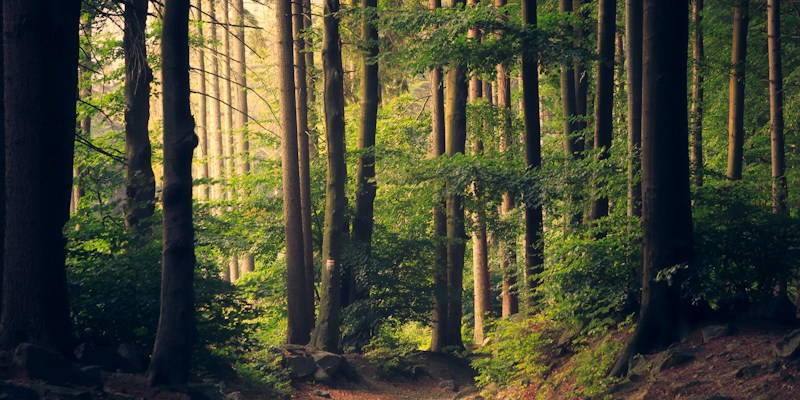
Autumn represents Seoraksan's most famous season, when the park becomes Korea's premier destination for fall foliage. The changing leaves create a spectacular display that typically peaks in mid to late October, depending on elevation and weather conditions.
| Elevation | Peak Color Period | Best Viewing Areas | Photography Tips |
|---|---|---|---|
| Above 1,000m | Late September | Daecheongbong area | Early morning golden hour |
| 600-1,000m | Mid October | Cable car viewpoints | Afternoon side lighting |
| Below 600m | Late October | Biryong Falls area | Misty morning conditions |
| Valley floors | Early November | Sokcho entrance trails | Reflected light in streams |
❄️ Winter (December-February): Alpine Wonderland
Winter transforms Seoraksan into a pristine alpine wonderland with snow-covered peaks and frozen waterfalls. While some trails become challenging, the park offers unique experiences like ice climbing and winter photography opportunities that showcase the raw beauty of Korea's mountain landscapes.
💡 Essential Travel Tips for Adventurers
Successful Seoraksan adventures require proper planning and preparation. These essential tips will help ensure your alpine experience is both safe and memorable, regardless of your chosen activities or season of visit.
🎒 What to Pack for Your Alpine Adventure
- Layered Clothing: Mountain weather changes rapidly; pack base layers, insulating layers, and waterproof outer shells
- Sturdy Footwear: Non-slip hiking boots are essential for rocky terrain and potentially wet conditions
- Navigation Tools: GPS device or smartphone with offline maps, plus traditional compass as backup
- Safety Equipment: First aid kit, whistle, headlamp, and emergency blanket for longer hikes
- Photography Gear: Extra batteries (cold weather drains them quickly), lens cleaning kit, and stable tripod
📱 Digital Preparation
Download the Korea National Park app for real-time trail conditions and park information. Inform someone of your hiking plans and expected return time. Consider purchasing a Korean SIM card or international roaming for emergency communication in remote areas.
🚗 Transportation and Access
Seoraksan National Park has three main entrances: Sokcho (eastern), Osaek (southern), and Baekdam (northern). Each offers different experiences and trail access. The Sokcho entrance provides the most facilities and is closest to accommodations, while Osaek offers more pristine alpine experiences.
Public transportation options include express buses from Seoul to Sokcho (2.5 hours) followed by local buses to park entrances. For maximum flexibility, rental cars allow exploration of multiple park areas and provide access to early morning trail starts before crowds arrive.
🏨 Where to Stay Near Seoraksan
Choosing the right accommodation significantly impacts your Seoraksan experience. From luxury resorts to budget-friendly guesthouses, the area offers options for every travel style and budget preference.
| Accommodation Type | Location | Best For | Price Range | Booking Links |
|---|---|---|---|---|
| Luxury Resort | Sokcho City | Comfort seekers | 150,000-300,000 KRW | Book Now |
| Traditional Hanok | Near park entrance | Cultural experience | 80,000-150,000 KRW | Find Hanoks |
| Mountain Lodge | Osaek area | Alpine immersion | 60,000-120,000 KRW | Tourism Info |
| Budget Guesthouse | Sokcho downtown | Budget travelers | 25,000-50,000 KRW | Hostel Bookings |
For the ultimate Seoraksan experience, consider staying in the Osaek area, where natural hot spring resorts offer the perfect combination of alpine atmosphere and relaxation. These accommodations provide easy access to hiking trails and allow you to experience the peaceful mountain environment after day hikers have departed.
🔗 Explore More Korean Alpine Destinations
Discover additional mountain adventures and scenic destinations across Korea:
❓ Frequently Asked Questions
The Osaek Course is highly recommended for its stunning alpine beauty and diverse trail options. This route offers breathtaking mountain views, colorful autumn foliage, and well-maintained hiking paths suitable for various skill levels. The course provides access to hot springs and pristine natural landscapes that showcase Seoraksan's alpine charm.
Related link: Mountain Hiking Tips
Biryong Falls is the most spectacular waterfall in Seoraksan National Park. This 87-meter cascade creates a mesmerizing display as water plunges into crystal-clear pools below. The trail to Biryong Falls is relatively easy and family-friendly, making it perfect for visitors who want to experience Seoraksan's natural beauty without challenging hiking.
Related link: Best Scenic Spots Guide
The Seoraksan cable car provides convenient transportation to Gwongeumseong Fortress, offering panoramic alpine views without the physical demands of hiking. This 1,100-meter ride showcases the park's dramatic mountain landscape and is especially popular during autumn foliage season. It's an excellent option for families, elderly visitors, or anyone wanting to experience Seoraksan's alpine beauty with minimal effort.
Related link: Sokcho Area Transportation
The optimal time for autumn foliage in Seoraksan varies by elevation. Higher elevations (above 1,000m) peak in late September, mid-elevations show best colors in mid-October, and lower areas reach peak beauty in late October. Plan your visit between October 10-25 for the most spectacular display across all elevations.
Related link: Complete Autumn Foliage Guide
Essential items include layered clothing for changing weather, sturdy non-slip hiking boots, navigation tools (GPS and compass), safety equipment (first aid, whistle, headlamp), and photography gear with extra batteries. Mountain weather changes rapidly, so proper preparation is crucial for a safe and enjoyable experience.
Related link: Complete Hiking Gear Guide
🌟 Your Seoraksan Alpine Adventure Awaits
Seoraksan National Park offers an unparalleled alpine experience that captures the essence of Korea's natural beauty. From the challenging heights of Daecheongbong Peak to the accessible wonder of Biryong Falls, every corner of this magnificent park tells a story of geological wonder and ecological diversity.
Whether you choose the adventurous Osaek Course, the convenient cable car journey, or the peaceful waterfall trails, Seoraksan promises memories that will last a lifetime. The park's 92% scenic beauty rating speaks to its universal appeal and the transformative power of alpine landscapes.