
Mudeungsan Mountain: The Sacred Guardian of Gwangju
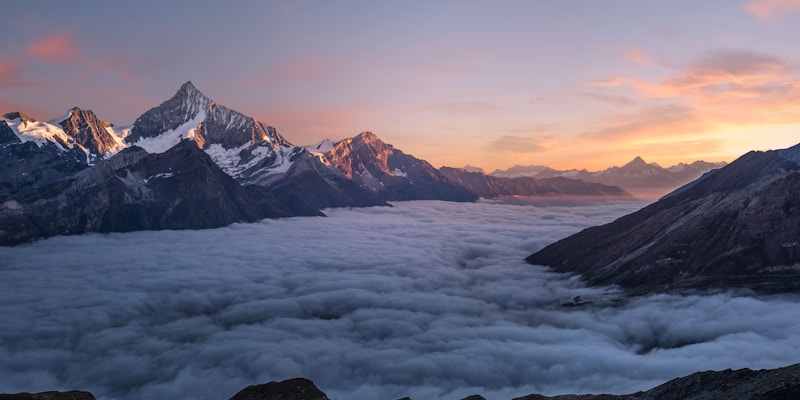
Rising 1,187 meters above Gwangju, Mudeungsan Mountain stands as more than just a geographic landmark – it serves as the spiritual guardian and cultural heart of South Korea's sixth-largest city. This majestic mountain has watched over Gwangju for centuries, offering both residents and visitors a sanctuary of natural beauty, cultural heritage, and spiritual reflection that defines the essence of Korean mountain worship and outdoor recreation.
For travelers seeking an authentic Korean mountain experience in 2025, Mudeungsan travel presents the perfect blend of challenging hiking trails, ancient temple heritage, and breathtaking panoramic views. Whether you're a seasoned mountaineer or a casual nature enthusiast, this guardian mountain offers something special for every type of explorer willing to discover its secrets.
📋 Complete Travel Guide Contents
Why Mudeungsan is Called the Guardian Mountain
The title "Guardian Mountain" isn't merely poetic – it reflects centuries of deep cultural and spiritual significance that Mudeungsan Mountain holds for the people of Gwangju. Local folklore describes how the mountain's distinctive rocky peaks have protected the city from natural disasters and invasions throughout Korean history, earning it reverence as a protective deity in human form.
🏔️ Guardian Mountain Characteristics
Sacred Protection: Traditional beliefs credit Mudeungsan with shielding Gwangju from typhoons and floods through its strategic positioning and spiritual energy.
Cultural Symbol: The mountain appears in countless local poems, paintings, and historical documents as the eternal protector of the region's prosperity and peace.
Natural Fortress: Its rugged terrain historically served as a refuge during times of conflict, particularly during the Japanese occupation period.
Modern visitors can sense this protective aura through the mountain's imposing presence visible from virtually every corner of Gwangju. The guardian mountain concept extends beyond mythology – environmental scientists recognize Mudeungsan's crucial role in regulating the city's microclimate, air quality, and water resources, making it a literal guardian of urban environmental health.
Jeungsimsa Temple: Spiritual Heart of the Mountain

Jeungsimsa Temple serves as the spiritual anchor of Mudeungsan Mountain, established over 500 years ago during the Joseon Dynasty. This sacred Buddhist sanctuary offers visitors an authentic glimpse into Korean temple culture while providing the perfect starting point for mountain exploration adventures.
Temple Highlights and Cultural Experiences
| Feature | Description | Best Visiting Time | Cultural Significance |
|---|---|---|---|
| Main Hall (Daeungjeon) | Principal worship hall with ancient Buddha statues | Early morning (6-8 AM) | Center of temple's spiritual life |
| Three-Story Stone Pagoda | Designated cultural heritage monument | Any time | Symbol of enlightenment journey |
| Meditation Halls | Spaces for contemplation and prayer | Morning/Evening | Active Buddhist practice center |
| Temple Stay Program | Overnight spiritual experience | Weekends | Cultural immersion opportunity |
The temple's architectural harmony with the natural mountain environment exemplifies traditional Korean design principles. Visitors can participate in temple stay programs to experience Buddhist meditation, traditional tea ceremonies, and sunrise prayer services that have continued uninterrupted for centuries.
Essential Hiking Trails and Routes
Mudeungsan Mountain offers an exceptional variety of hiking trails catering to every skill level, from challenging summit approaches to gentle forest walks. The mountain's trail system has been carefully developed to showcase both natural beauty and cultural heritage while maintaining environmental preservation standards.
Main Hiking Routes Overview
- Summit Trail (Main Route): 6.2km round trip, moderate to challenging difficulty, 3-4 hours total hiking time
- Jeungsimsa Temple Circuit: 3.8km circular route, easy to moderate difficulty, 2-3 hours including temple visit
- Waterfall Trail: 2.4km one-way, easy difficulty, 1.5-2 hours with scenic stops
- Ridge Walking Path: 4.5km linear route, moderate difficulty, 2.5-3 hours with panoramic views
- Family Discovery Trail: 1.8km loop, very easy difficulty, 1-1.5 hours perfect for children
🥾 Trail Safety and Preparation Tips
Before embarking on any Mudeungsan hiking adventure, ensure you have appropriate footwear, sufficient water (minimum 2 liters per person), weather-appropriate clothing, and emergency contact information. Trail conditions can change rapidly due to weather, so check local conditions before departure. Always inform someone of your planned route and expected return time.
Summit Climbing Experience: Conquering the Guardian Peak

Reaching the summit of Mudeungsan Mountain at 1,187 meters above sea level represents one of the most rewarding outdoor experiences available in the Gwangju region. The summit climb challenges hikers with steady elevation gain while rewarding them with breathtaking panoramic views that stretch across the entire Jeolla Province landscape.
Summit Trail Detailed Guide
The primary summit route begins at Jeungsimsa Temple and follows a well-marked path through diverse forest ecosystems. The initial section winds through dense deciduous forests filled with oak, maple, and birch trees that create spectacular autumn colors from late September through November.
🎯 Summit Climbing Stages
Stage 1 (0-2km): Gentle ascent through temple grounds and forest paths, suitable for warming up muscles and adjusting to mountain environment.
Stage 2 (2-4km): Moderate climbing with increasing elevation, featuring rocky sections and rest stations with mountain spring water.
Stage 3 (4-6.2km): Challenging final approach with steep sections leading to the summit plateau and observation areas.
The summit experience extends beyond physical achievement – it offers spiritual connection with the guardian mountain concept. Many visitors report feeling a profound sense of peace and protection while standing atop this sacred peak, understanding why generations of Gwangju residents have looked to Mudeungsan as their spiritual protector.
Family-Friendly Walking Paths and Leisure Routes
Not every Mudeungsan Mountain experience requires intense physical exertion. The mountain offers numerous gentle walking paths perfect for families, elderly visitors, and those seeking peaceful nature immersion without challenging climbs. These accessible routes showcase the mountain's natural beauty while providing comfortable outdoor recreation opportunities.
Recommended Easy Walking Routes
| Trail Name | Distance | Difficulty | Highlights | Recommended For |
|---|---|---|---|---|
| Bamboo Grove Path | 1.2km loop | Very Easy | Serene bamboo forest, meditation spots | All ages, photography |
| Stream Following Trail | 2.0km one-way | Easy | Mountain streams, small waterfalls | Families with children |
| Temple Approach Walk | 0.8km round trip | Very Easy | Traditional architecture, cultural sites | Cultural enthusiasts, seniors |
| Forest Therapy Path | 1.5km loop | Easy | Designated healing forest area | Wellness seekers, stress relief |
These walking paths incorporate therapeutic forest bathing concepts popularized in Korean wellness culture. The designated forest therapy areas feature special seating arrangements, aromatherapy gardens with medicinal plants, and guided meditation stations that enhance the restorative qualities of mountain time.
Cultural Heritage and Historical Sites
Beyond its natural splendor, Mudeungsan Mountain serves as a repository of Korean cultural heritage spanning over a millennium. Archaeological evidence suggests continuous human habitation and spiritual activity in the mountain area since the Unified Silla period (668-935 CE), making it an invaluable cultural landscape.
Historical Significance and Cultural Assets
- Ancient Fortress Ruins: Remnants of defensive structures used during various invasions throughout Korean history
- Stone Buddha Sculptures: Carved religious monuments dating back to the Goryeo Dynasty (918-1392)
- Traditional Hermitages: Small retreat centers where monks and scholars sought enlightenment
- Cultural Heritage Trees: Ancient specimens designated as natural monuments by the Korean government
- Folk Religion Sites: Sacred spaces where traditional Korean shamanic practices occurred

The mountain's role during the 1980 Gwangju Democratization Movement adds contemporary historical significance to its ancient heritage. Many democracy activists sought refuge in Mudeungsan's hidden valleys, and memorial sites now honor their courage and sacrifice for Korean democratic ideals.
Practical Travel Information for 2025
Planning your Mudeungsan Mountain adventure requires understanding practical details about access, facilities, seasonal considerations, and local services. This comprehensive information ensures you can focus on enjoying your guardian mountain experience without logistical concerns.
Access and Transportation
🚌 Getting to Mudeungsan Mountain
Public Transportation: Take Gwangju Bus Line 27 or 187 from Gwangju Station directly to Jeungsimsa Temple entrance (45-minute journey). Buses operate every 20 minutes from 6:00 AM to 10:00 PM.
Private Vehicle: Free parking available at multiple locations including Jeungsimsa Temple parking area (200 spaces) and alternative trailhead parking lots.
Taxi Service: Approximately 25,000-30,000 KRW from central Gwangju to temple entrance, with return pickup arrangements available.
Facilities and Services
- Visitor Information Center: Located at temple entrance with multilingual staff, trail maps, and weather updates
- Restrooms: Clean facilities available at temple, major trail intersections, and summit area
- Food Services: Traditional temple food restaurant, mountain hut snacks, and vending machines
- Emergency Services: Mountain rescue stations with first aid and communication equipment
- Accommodation: Temple stay programs, nearby guesthouses, and camping areas (permit required)
Seasonal Visiting Guide
| Season | Best Activities | Weather Conditions | Special Considerations |
|---|---|---|---|
| Spring (March-May) | Hiking, temple visits, photography | Mild temperatures, occasional rain | Cherry blossoms in April |
| Summer (June-August) | Early morning hikes, forest therapy | Hot and humid, frequent thunderstorms | Start hikes before 7 AM |
| Autumn (September-November) | Peak hiking season, foliage viewing | Cool and dry, perfect conditions | Most crowded period |
| Winter (December-February) | Temple meditation, easy walks | Cold with occasional snow | Limited summit access |
Budget Planning and Costs
Mudeungsan Mountain offers excellent value for outdoor recreation and cultural experiences. Most trails and natural areas are free to access, with optional paid services enhancing the experience without creating financial barriers to mountain enjoyment.
- Trail Access: Free for all hiking trails and walking paths
- Temple Entry: Free general access, optional donation appreciated
- Temple Stay: 50,000-80,000 KRW per person including meals and accommodation
- Guided Tours: 25,000-35,000 KRW per person for cultural heritage tours
- Parking: Free at all designated parking areas
- Food and Beverages: 8,000-15,000 KRW for traditional meals, 2,000-3,000 KRW for snacks
🔗 Related Travel Guides
Explore more of South Korea's incredible destinations with our comprehensive travel guides:
- Gwangju: The City of Light and Democracy - Discover the urban culture surrounding Mudeungsan
- South Jeolla Province: Culinary Capital and Island Paradise - Regional context and nearby attractions
- Biosphere Reserves: UNESCO Protected Areas in Korea - Environmental significance of mountain ecosystems
- Korean Temple Culture Guide - Deeper dive into Buddhist heritage
- Best Mountain Hiking in Korea - Compare with other Korean peaks
- Top Gwangju Attractions - Complete city exploration guide
- Korean Cultural Heritage Sites - Historical context and significance
Frequently Asked Questions
Jeungsimsa Temple is a historic Buddhist temple located on Mudeungsan Mountain, dating back over 500 years. It serves as the spiritual heart of the mountain and offers visitors a peaceful sanctuary with traditional Korean architecture, ancient stone pagodas, and meditation halls. The temple provides an authentic cultural experience and serves as an excellent starting point for mountain hiking trails.
Related guide: Understanding Korean Temple Culture
The summit climb to Mudeungsan peak (1,187m) is moderately challenging, suitable for intermediate hikers with reasonable fitness levels. The main trail takes 3-4 hours to reach the summit, with well-maintained paths and rest stations along the route. The trail offers spectacular panoramic views of Gwangju city and surrounding valleys. Proper hiking boots and water are recommended, especially during summer months when temperatures can be quite high.
Preparation tip: Mountain Hiking Preparation Checklist
Yes, Mudeungsan offers several easy walking trails perfect for families and beginners. The temple area features gentle paths through bamboo groves and along mountain streams, with wooden walkways and rest areas. The lower mountain trails provide beautiful forest scenery without steep climbs, making them ideal for leisurely walks and nature appreciation. These paths are suitable for all ages and fitness levels.
Family activities: Family-Friendly Mountain Activities
The best time to visit Mudeungsan Mountain is during autumn (September-November) when temperatures are comfortable and the mountain displays spectacular fall foliage. Spring (March-May) is also excellent with mild weather and cherry blossoms. Summer visits should begin early morning due to heat and humidity, while winter offers peaceful temple experiences though summit access may be limited due to weather conditions.
Seasonal guide: Best Times to Visit Korean Mountains
From Gwangju city center, take bus line 27 or 187 from Gwangju Station directly to Jeungsimsa Temple entrance. The journey takes approximately 45 minutes with buses running every 20 minutes from 6:00 AM to 10:00 PM. Alternatively, taxi service costs around 25,000-30,000 KRW from central Gwangju. Free parking is available for those driving private vehicles.
Transportation details: Gwangju Public Transportation Guide
Experience the Guardian Mountain's Protection
Mudeungsan Mountain offers more than just outdoor recreation – it provides a profound connection with Korean cultural heritage, spiritual tradition, and natural beauty that has protected and inspired Gwangju for centuries. Whether you seek challenging summit adventures, peaceful temple experiences, or family-friendly nature walks, this guardian mountain welcomes all visitors with its timeless embrace.
Plan your 2025 Mudeungsan adventure today and discover why this sacred peak continues to serve as Gwangju's beloved protector and spiritual guide.
🌐 Additional Resources
- Korea Tourism Organization - Official travel information
- Korea.net - Cultural and historical background
- Korea Meteorological Administration - Weather forecasts and conditions
- Korea National Park Service - Conservation and trail information
- Korean Temple Stay - Official temple accommodation booking