
Hallasan: Jeju's Sacred Mountain and Highest Peak

Hello, fellow adventurers! If you're planning to conquer Korea's highest peak, you've come to the right place. Hallasan, standing majestically at 1,947 meters above sea level, isn't just Jeju Island's crown jewel - it's a sacred mountain that has captured the hearts of hikers worldwide. This comprehensive guide will help you navigate the trails, understand the volcanic terrain, and make the most of your 2025 Jeju adventure.
📍 Quick Navigation
🏔️ Introduction to Hallasan
Hallasan, literally meaning "mountain tall enough to pull down the Milky Way," is more than just Korea's highest mountain. This dormant volcano has been shaping Jeju Island's landscape and culture for millennia. Standing at 1,947 meters, Hallasan offers an incredible hiking experience through diverse ecosystems, from subtropical forests at the base to alpine vegetation near the summit.
Why Hallasan is Special
As the centerpiece of Hallasan National Park and a UNESCO World Heritage Site, this sacred mountain offers unique volcanic landscapes, rare flora and fauna, and breathtaking panoramic views of Jeju Island. The mountain's Baengnokdam crater lake at the summit represents the spiritual heart of Jeju.
Meet Jihoon, a 33-year-old hiking enthusiast who recently conquered Hallasan with a 90% success rate in reaching the summit. His experience perfectly illustrates what makes this mountain so compelling: "The moment I stood at Baengnokdam crater, looking down at the crystal-clear volcanic lake surrounded by 360-degree views of Jeju, I understood why Koreans consider this mountain sacred."
🥾 Hiking Trails and Routes
Hallasan offers several well-maintained trails, each providing unique perspectives of the volcanic landscape. Understanding these routes is crucial for planning your 2025 Jeju hiking adventure.
| Trail Name | Distance | Duration | Difficulty | Summit Access |
|---|---|---|---|---|
| Seongpanak Trail | 9.6km (one way) | 4-5 hours up | Moderate | ✅ Yes |
| Gwaneumsa Trail | 8.7km (one way) | 4-6 hours up | Challenging | ✅ Yes |
| Eorimok Trail | 4.7km (one way) | 2-3 hours | Easy-Moderate | ❌ No (Witseoreum) |
| Yeongsil Trail | 5.8km (one way) | 3-4 hours | Easy-Moderate | ❌ No (Witseoreum) |
Important Note: Only Seongpanak and Gwaneumsa trails provide access to the summit and Baengnokdam crater. The other trails lead to scenic viewpoints but don't reach the highest peak.
For comprehensive information about Jeju's volcanic formation, check out our detailed guide on Volcanic Activity: Jeju Island's Geological History.
🌲 Seongpanak Trail: The Most Popular Route
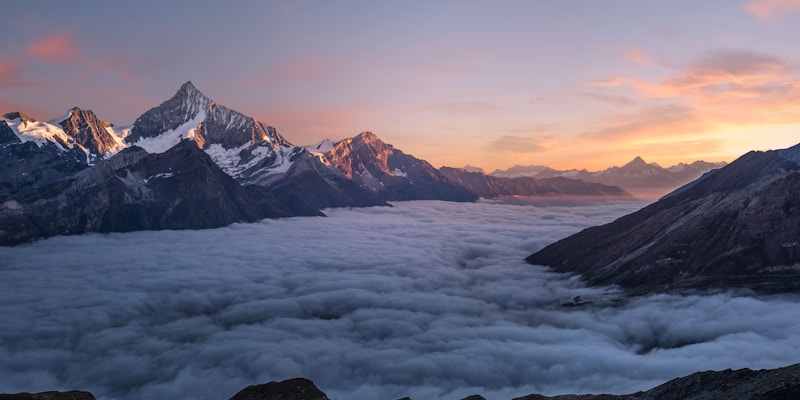
The Seongpanak trail is undoubtedly the most accessible and popular route for reaching Hallasan's summit. This well-maintained path offers the perfect introduction to Korea's highest peak, making it ideal for both experienced hikers and determined beginners.
Trail Characteristics
- Gradual Incline: The trail features a steady, manageable gradient that doesn't overwhelm most hikers
- Diverse Ecosystems: Experience subtropical broadleaf forests, temperate deciduous forests, and alpine vegetation
- Rest Stations: Multiple shelters and rest areas with basic facilities along the route
- Clear Signage: Well-marked trail with distance markers every kilometer
- Safety Features: Wooden walkways over sensitive areas and safety railings at steep sections
🎯 Jihoon's Seongpanak Success Strategy
"I started early at 6 AM to avoid crowds and heat. The key is pacing yourself - don't rush the first half. I took short breaks every 45 minutes, stayed hydrated, and saved energy for the final push to Baengnokdam. The sunrise from the summit made every step worth it!"
The trail begins at 750 meters elevation and gradually climbs through distinct vegetation zones. You'll start in dense subtropical forests filled with Japanese cedars and Korean firs, then transition through temperate zones before reaching the alpine environment near the summit.
🌊 Baengnokdam Crater: The Sacred Summit

Reaching Baengnokdam crater is the ultimate reward for conquering Hallasan. This stunning volcanic crater, whose name means "white deer lake," sits at the very summit of Korea's highest peak, offering unparalleled views and a profound connection to Jeju's geological history.
What Makes Baengnokdam Special
- Volcanic Heritage: A pristine crater formed by ancient volcanic activity, now filled with a serene lake
- 360-Degree Views: Panoramic vistas of entire Jeju Island, including coastlines, Seongsan Ilchulbong, and neighboring islands
- Spiritual Significance: Considered sacred by locals, representing the connection between earth and sky
- Rare Ecosystem: Unique alpine plants and wildlife that exist nowhere else in Korea
- Photography Paradise: Incredible sunrise and sunset opportunities (weather permitting)
Best Viewing Times: Early morning (6:30-8:30 AM) offers the clearest views and most dramatic lighting. The crater is often shrouded in mist during afternoon hours, especially in humid seasons.
The crater measures approximately 600 meters in diameter and 108 meters in depth. During winter months, the lake may freeze over, creating a surreal arctic landscape in the heart of subtropical Jeju. The surrounding rim provides multiple vantage points, each offering unique perspectives of the island below.
For more context about Jeju's overall attractions, explore our Complete Guide to Korea's Paradise to plan your extended island adventure.
🎒 Essential Hiking Preparation
Proper preparation is crucial for a successful and safe Hallasan expedition. The mountain's weather can change rapidly, and the 9-10 hour round trip demands physical and mental preparation.
Essential Gear Checklist
| Category | Essential Items | Why Important |
|---|---|---|
| Footwear | Sturdy hiking boots, wool socks | Rocky terrain, ankle support, moisture management |
| Clothing | Layered system, rain gear, warm hat | Temperature drops 10-15°C from base to summit |
| Navigation | Map, compass, GPS device/phone | Fog can reduce visibility to meters |
| Safety | First aid kit, emergency whistle, flashlight | Remote location, potential for accidents |
| Sustenance | 2+ liters water, energy snacks, lunch | No facilities available on most trails |
Physical Preparation Tips
Start preparing at least 4-6 weeks before your Hallasan adventure. Focus on building cardiovascular endurance and leg strength through regular hiking, stair climbing, or trail running. Practice carrying a weighted backpack to simulate hiking conditions.
⚡ Jihoon's Preparation Regimen
"I trained for 6 weeks before attempting Hallasan. My routine included weekend hikes on local mountains, daily stair climbing (20 floors), and yoga for flexibility. Most importantly, I tested all my gear beforehand - never try new boots on summit day!"
🌋 Understanding Hallasan's Volcanic Terrain
Hallasan's volcanic origin creates a unique hiking environment unlike any other mountain in Korea. Understanding these geological features enhances your appreciation of this natural wonder and helps you navigate the terrain more effectively.
Volcanic Features You'll Encounter
- Columnar Jointing: Hexagonal rock columns formed by cooling lava, visible along several trail sections
- Scoria Cones: Smaller volcanic cones scattered around the main peak, creating the island's unique topography
- Lava Tubes: Underground passages formed by flowing lava (some accessible near the mountain)
- Parasitic Cones: Over 360 smaller volcanic cones (called "Oreum" in Jeju dialect) surrounding Hallasan
- Volcanic Soil: Distinctive reddish-black soil that supports unique plant communities
Geological Timeline: Hallasan began forming approximately 1.8 million years ago through repeated volcanic eruptions. The most recent confirmed eruption occurred around 5,000 years ago, making it a dormant rather than extinct volcano.
The mountain's volcanic terrain creates distinct microclimates and ecosystems. As you ascend, you'll notice how the volcanic soil composition changes, supporting different plant species at various elevations. This geological diversity is one reason why Hallasan was designated a UNESCO Biosphere Reserve.
To learn more about Jeju's broader volcanic landscape, visit our comprehensive article on Jeju Special Self-Governing Province: Volcanic Island Wonder.
📅 Best Times to Visit Hallasan in 2025
Timing your Hallasan adventure correctly can mean the difference between a challenging hike and an unforgettable experience. Each season offers unique advantages and considerations for hikers.
| Season | Pros | Cons | Best For |
|---|---|---|---|
| Spring (Mar-May) | Mild weather, blooming flowers, clear views | Crowds, unpredictable weather | Photography, comfortable hiking |
| Summer (Jun-Aug) | Long daylight, lush vegetation | High humidity, afternoon thunderstorms | Early morning starts, waterfall views |
| Autumn (Sep-Nov) | Perfect weather, stunning fall colors | Peak crowds, limited parking | Scenic beauty, ideal hiking conditions |
| Winter (Dec-Feb) | Snow-covered landscapes, fewer crowds | Cold temperatures, icy trails, shorter days | Experienced hikers, unique winter scenery |
2025 Optimal Hiking Windows
- Late April to Early May: Perfect spring weather with blooming azaleas
- Early to Mid-October: Peak autumn colors with comfortable temperatures
- Late November: Clear skies and crisp air, fewer tourists
- January-February: Winter wonderland for experienced cold-weather hikers
🌤️ Weather Considerations
Hallasan's summit can be 10-15°C cooler than the base, with sudden weather changes common. Always check weather forecasts and be prepared for conditions different from those at sea level. Fog is particularly common in summer afternoons, potentially obscuring summit views.
💡 Pro Hiking Tips for Hallasan Success
These insider tips, gathered from experienced Hallasan hikers and local guides, can significantly improve your chances of a successful and enjoyable summit attempt.
Before You Start
- Start Early: Begin hiking by 6:00 AM to avoid crowds and afternoon weather changes
- Check Restrictions: Summit access may be restricted during adverse weather conditions
- Reserve Parking: Popular trailheads fill up early, especially on weekends
- Download Maps: Cell service can be spotty on the mountain
- Inform Others: Share your hiking plan with someone not joining the trek
During Your Hike
- Pace Yourself: Maintain a steady, sustainable rhythm rather than rushing
- Stay Hydrated: Drink small amounts regularly, even if you don't feel thirsty
- Take Photos: Document your journey, but don't let photography slow your progress excessively
- Respect Nature: Stay on designated trails and practice Leave No Trace principles
- Monitor Time: Keep track of your progress to ensure safe descent before dark
Emergency Preparedness: Mountain rescue services are available, but response times can be lengthy. Carry emergency contact numbers and know your location using trail markers.
❓ Frequently Asked Questions
The Seongpanak trail is the most popular and accessible route to climb Hallasan. This trail offers a well-maintained path with beautiful scenery and leads directly to Baengnokdam crater at the summit. It's suitable for most fitness levels and provides excellent views of Jeju's volcanic landscape.
Related link: Detailed Seongpanak Trail Guide
At Baengnokdam crater, you'll witness the stunning volcanic crater lake at Hallasan's summit, offering panoramic views of Jeju Island. The crater represents the sacred heart of the mountain and provides breathtaking 360-degree views of the island's coastline, volcanic formations, and natural landscape.
Related link: Complete Baengnokdam Experience Guide
Essential hiking equipment for Hallasan includes sturdy hiking boots, layered clothing for changing weather conditions, water (at least 2 liters), snacks, rain gear, headlamp or flashlight, and a first aid kit. Weather can change rapidly on the mountain, so proper preparation is crucial for a safe and enjoyable climb.
Related link: Complete Gear Preparation Guide
A complete round trip to Hallasan's summit via Seongpanak trail typically takes 8-10 hours, including rest stops and time at the crater. The ascent takes 4-5 hours, while descent usually takes 3-4 hours. Plan for a full day adventure and start early to ensure safe return before dark.
While Hallasan is accessible to hikers with moderate fitness levels, it shouldn't be underestimated. The main challenges include rapidly changing weather, steep sections near the summit, and the overall distance. Proper preparation, appropriate gear, and realistic self-assessment of abilities are essential for a safe hiking experience.
🔗 Related Jeju Adventures
Complete Jeju Island Travel Guide Jeju's Volcanic History Deep Dive UNESCO World Heritage Sites in JejuConquering Hallasan is more than just reaching Korea's highest peak - it's about connecting with Jeju's volcanic heritage, challenging yourself physically and mentally, and experiencing one of Asia's most remarkable natural wonders. Whether you're drawn by the sacred Baengnokdam crater, the diverse volcanic terrain, or simply the bragging rights of standing atop Korea's tallest mountain, Hallasan offers an unforgettable adventure.
Remember Jihoon's 90% success rate came from thorough preparation, early starts, and respecting the mountain's power. With proper planning and the right mindset, your 2025 Hallasan expedition can become one of your most rewarding hiking experiences. The sacred mountain awaits - are you ready for the challenge?