
Jeju City: Gateway to Paradise Island - Complete 2025 Travel Guide

Table of Contents
- Why Jeju City is Your Perfect Gateway
- Arriving at Jeju International Airport
- Yongduam Rock: Iconic Dragon Head Formation
- Dongmun Market: Cultural Heart of Jeju
- Exploring Jeju's Volcanic Wonders
- Beach Paradise and Coastal Adventures
- Authentic Jeju Cultural Experiences
- Essential Travel Planning Tips
- Frequently Asked Questions
Why Jeju City is Your Perfect Gateway to Paradise
Jeju City serves as the vibrant entry point to one of the world's most remarkable volcanic islands. As the capital and largest city of Jeju Special Self-Governing Province, this coastal paradise offers visitors an perfect introduction to Korea's most beloved island destination.
What makes Jeju City truly special is its unique combination of modern convenience and natural wonder. From the moment you step off the plane at Jeju International Airport, you're just minutes away from stunning volcanic formations, crystal-clear beaches, and authentic Korean island culture that has captivated travelers for generations.
Arriving at Jeju International Airport: Your Journey Begins
Jeju International Airport stands as Korea's second-busiest airport and your primary gateway to this paradise island. Located just 2 kilometers from downtown Jeju City, the airport processes over 31 million passengers annually, making it one of Asia's most efficient island airports.
Car Rental: The Key to Island Freedom
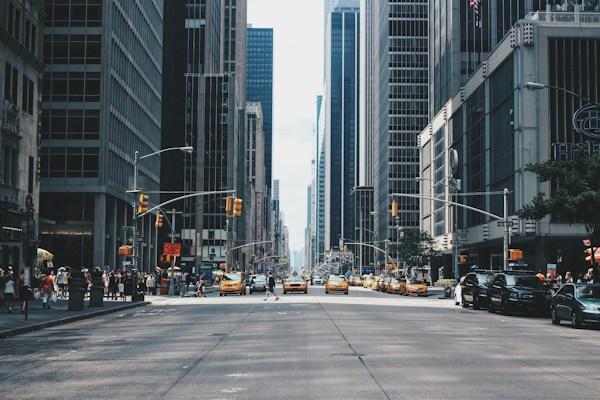
Upon arrival, securing a rental car should be your first priority for exploring Jeju travel destinations. The airport features major international car rental companies including Hertz, Avis, and local providers like SK Rent-a-Car. Booking in advance guarantees better rates and vehicle availability, especially during peak seasons from April to October.
| Transportation Option | Cost Range | Travel Time to City | Best For |
|---|---|---|---|
| Rental Car | ₩40,000-80,000/day | 10 minutes | Complete island exploration |
| Airport Bus | ₩1,200-3,000 | 20-30 minutes | Budget-conscious travelers |
| Taxi | ₩8,000-12,000 | 15 minutes | Convenient door-to-door service |
| Hotel Shuttle | Free-₩5,000 | 25-40 minutes | Package deal travelers |
Yongduam Rock: The Legendary Dragon Head Formation
Just 15 minutes from downtown Jeju City lies one of Korea's most photographed natural landmarks. Yongduam Rock, literally meaning "Dragon Head Rock," represents the perfect introduction to Jeju's spectacular volcanic geology and rich cultural legends.
This 10-meter-tall basaltic formation emerged from ancient volcanic activity, creating a shape remarkably resembling a dragon rising from the sea. According to local legend, the dragon was ascending to heaven when it was struck down by the gods, forever frozen in stone as punishment for its ambitious flight.
Coastal Walking Experience
The area surrounding Yongduam Rock offers some of Jeju's most scenic coastal walking paths. The well-maintained 2-kilometer trail provides stunning ocean views, perfect for photography enthusiasts and nature lovers seeking authentic paradise gateway experiences.

Dongmun Market: The Cultural Heart of Authentic Jeju
Dongmun Market represents the beating heart of Jeju travel culture, operating continuously since 1945 as the island's largest traditional marketplace. This bustling hub offers visitors an authentic glimpse into local life while providing access to Jeju's most celebrated culinary specialties and artisanal products.
Local Food Paradise
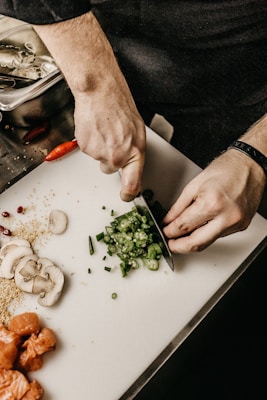
The market's food section showcases Jeju's unique culinary heritage, featuring specialties impossible to find elsewhere in Korea. Black pork (흑돼지), raised exclusively on Jeju Island, offers a distinctive taste resulting from the animals' natural volcanic terrain diet. Fresh seafood arrives daily from local fishing boats, including abalone, sea urchin, and the famous Jeju mackerel.
Hallabong oranges, Jeju's signature citrus fruit, provide the perfect sweet conclusion to your market exploration. These premium oranges grow exclusively in Jeju's volcanic soil, creating a unique flavor profile that has made them Korea's most expensive and sought-after citrus variety.
| Jeju Specialty | Market Price Range | Best Season | Must-Try Factor |
|---|---|---|---|
| Black Pork BBQ | ₩25,000-35,000/kg | Year-round | Unique volcanic diet flavor |
| Fresh Abalone | ₩40,000-60,000/kg | April-September | Premium seafood delicacy |
| Hallabong Oranges | ₩15,000-25,000/box | December-March | Exclusive Jeju cultivation |
| Green Tea Products | ₩8,000-20,000 | May-October | O'sulloc farm direct |
Exploring Jeju's Volcanic Wonders: A Geological Paradise
Jeju Island's entire landscape tells the story of volcanic formation spanning over 2 million years. As your gateway to this geological paradise, Jeju City provides easy access to some of the world's most accessible and spectacular volcanic formations, making it perfect for both casual visitors and serious geology enthusiasts.
Manjanggul Cave: Underground Volcanic Marvel
Located just 30 minutes from Jeju City, Manjanggul Cave represents one of the world's longest lava tube systems. This UNESCO World Heritage site stretches over 9 kilometers, with 1 kilometer open for public exploration. The cave maintains a constant 11-13°C temperature year-round, providing natural air conditioning during Jeju's humid summers.
The cave's highlight includes a 7.6-meter-tall lava column, the world's largest known formation of its type. Visitors can witness spectacular lava flowstones, stalactites, and unique cave formations created by ancient volcanic activity, offering insights into Hallasan's volcanic history.
Beach Paradise: Coastal Adventures Await
Jeju City's coastline offers some of Korea's most pristine beaches, each providing unique experiences for paradise gateway travelers. The volcanic origins create distinctive black sand beaches alongside traditional white sand stretches, offering diverse coastal experiences within minutes of downtown.
Iho Tewoo Beach: Urban Beach Perfection
Located just 10 minutes from Jeju City center, Iho Tewoo Beach combines urban convenience with natural beauty. The beach features distinctive red and white lighthouse structures that have become Instagram-famous landmarks. Crystal-clear waters and fine sand create perfect conditions for swimming, sunbathing, and water sports activities.
The beach's proximity to cafes, restaurants, and accommodation makes it ideal for family travelers and those seeking comfortable beach experiences without sacrificing amenities. Evening visits offer spectacular sunset photography opportunities with the lighthouses creating dramatic foreground elements.
Authentic Jeju Cultural Experiences: Island Heritage
Jeju travel experiences extend far beyond natural attractions, encompassing a unique cultural heritage that blends Korean traditions with distinctive island customs. Jeju City serves as the perfect base for exploring this rich cultural landscape, offering authentic experiences that connect visitors with generations of island life.
Haenyeo: Women Divers of Jeju
The Haenyeo, Jeju's legendary women divers, represent one of Korea's most remarkable cultural traditions. These skilled female divers, some working into their 80s, harvest seafood from ocean depths without breathing equipment, relying on centuries-old techniques passed down through generations.
Visitors can witness Haenyeo demonstrations at various coastal locations around Jeju City, learning about sustainable fishing practices and women's roles in traditional Jeju society. The UNESCO-recognized tradition showcases the island's unique matriarchal elements and environmental consciousness.
Essential Travel Planning Tips for Your Jeju Adventure
Successful Jeju travel requires strategic planning to maximize your paradise gateway experience. From seasonal considerations to practical logistics, proper preparation ensures you'll enjoy everything this remarkable destination offers while avoiding common tourist pitfalls.
Best Time to Visit: Seasonal Paradise
Jeju's subtropical climate offers year-round appeal, but each season provides distinct advantages for different travel preferences. Spring (April-May) delivers perfect weather with cherry blossoms and mild temperatures. Summer (June-August) offers ideal beach conditions but brings higher crowds and accommodation prices.
Fall (September-November) provides excellent weather with fewer tourists and beautiful autumn colors. Winter (December-March) offers the most affordable rates and unique experiences like Hallabong orange harvest season, though some outdoor activities may be limited by weather conditions.
| Season | Weather | Crowd Level | Price Range | Best Activities |
|---|---|---|---|---|
| Spring (Apr-May) | 18-23°C, mild | Moderate | Medium | Hiking, sightseeing |
| Summer (Jun-Aug) | 24-28°C, humid | High | Expensive | Beach, water sports |
| Fall (Sep-Nov) | 20-25°C, pleasant | Low-Medium | Medium | Photography, hiking |
| Winter (Dec-Mar) | 8-15°C, cool | Low | Budget-friendly | Culture, indoor attractions |
Transportation and Getting Around
While rental cars provide maximum flexibility for exploring Jeju Island's complete attractions, Jeju City offers excellent public transportation alternatives. The city bus system connects major attractions with reliable service and English announcements for international visitors.
Bicycle rentals provide an eco-friendly way to explore coastal areas and downtown districts. Many hotels and guesthouses offer complimentary bicycle services, making short-distance travel both convenient and environmentally conscious.
Where to Stay: Accommodation Guide for Every Budget
Jeju City offers accommodation options ranging from luxury resorts to budget-friendly guesthouses, each providing unique advantages for different travel styles. Location plays a crucial role in your paradise gateway experience, with downtown areas offering convenience and coastal locations providing scenic beauty.
Luxury Resort Experiences
Premium resorts near Jeju City combine world-class amenities with stunning natural settings. Many feature private beach access, championship golf courses, and spa facilities utilizing Jeju's natural hot springs. These properties cater to travelers seeking comprehensive resort experiences without leaving the property.
Boutique Hotels and Traditional Stays
Boutique accommodations showcase Jeju's unique architectural heritage while providing modern comfort. Traditional hanok-style guesthouses offer authentic cultural experiences, featuring heated ondol floors, traditional Korean breakfast, and personalized local guidance from family-run establishments.
Find Your Perfect Jeju AccommodationCulinary Adventures: Taste the Paradise
Jeju travel experiences reach their peak through the island's extraordinary culinary landscape. The island's isolation has preserved unique cooking traditions while abundant seafood and volcanic soil create ingredients unavailable anywhere else in the world.
Must-Try Jeju Specialties
Jeju black pork represents the island's most famous culinary export. These pigs, raised in Jeju's clean mountain air and fed natural vegetation, produce meat with exceptional marbling and flavor. Local restaurants specialize in various preparation methods, from traditional Korean BBQ to modern fusion interpretations.
Seafood lovers will discover paradise in Jeju's coastal restaurants. Fresh abalone, sea urchin, and mackerel arrive daily from local fishing fleets. Many restaurants allow diners to select live seafood from tanks, ensuring maximum freshness and authentic island dining experiences.
Shopping and Souvenirs: Take Paradise Home
Jeju City's shopping scene blends traditional markets with modern retail, offering visitors authentic souvenirs and luxury goods. Beyond typical tourist items, the city provides access to genuine Jeju products that make meaningful gifts and personal mementos.
Jeju-Only Products
Hallabong orange products, from fresh fruit to processed foods and cosmetics, represent Jeju's most popular souvenirs. Green tea from O'sulloc farms provides premium quality unavailable elsewhere, with beautiful packaging perfect for gifts.
Jeju honey, produced by bees feeding on the island's unique flora, offers distinctive flavors reflecting the volcanic soil's mineral content. Local craftspeople create beautiful volcanic stone jewelry and decorative items showcasing Jeju's geological heritage.
Adventure Activities: Beyond Traditional Sightseeing
Jeju travel adventures extend beyond passive sightseeing into active experiences that connect visitors directly with the island's natural environment. From water sports to mountain adventures, Jeju City provides easy access to adrenaline-pumping activities suitable for various skill levels.
Water Sports and Marine Adventures
Jeju's crystal-clear waters and stable weather conditions create ideal environments for scuba diving, snorkeling, and kayaking. Professional dive shops in Jeju City offer certification courses and guided underwater tours exploring vibrant coral reefs and unique volcanic rock formations.
Stand-up paddleboarding has gained popularity along Jeju's calm coastal areas, providing peaceful water exercise with spectacular scenery. Equipment rental and instruction are readily available at major beaches near the city center.
Mountain Biking and Hiking Trails
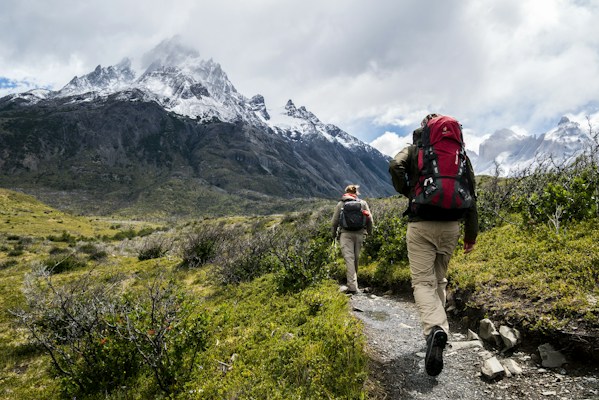
Jeju's volcanic terrain creates diverse hiking opportunities from easy coastal walks to challenging mountain trails. The Jeju Olle Trail system includes routes starting directly from Jeju City, offering well-marked paths with stunning ocean and mountain views.
Frequently Asked Questions
Your Gateway to Paradise Awaits
Jeju City stands ready to welcome you as the perfect gateway to Korea's paradise island experience. From the moment you arrive at Jeju International Airport to your final sunset at Yongduam Rock, every moment offers opportunities to create lasting memories of this remarkable destination.
The combination of stunning volcanic landscapes, pristine beaches, authentic cultural experiences, and modern conveniences makes Jeju City an ideal base for exploring everything this UNESCO World Heritage island offers. Whether you're seeking adventure activities, cultural immersion, or simple relaxation, your paradise gateway experience begins here.
Start planning your 2025 Jeju travel adventure today and discover why millions of visitors choose Jeju City as their introduction to one of Asia's most beloved island destinations. Your perfect island getaway awaits in this remarkable corner of Korea's natural paradise.