
- Introduction to Haeinsa Temple UNESCO World Heritage site and Buddhist treasure
- The Tripitaka Koreana: 80,000 Wooden Blocks World's most complete Buddhist scriptures collection
- Janggyeong Panjeon Hall Complex UNESCO architectural masterpiece
- Exploring the Temple Grounds Main halls, pagodas, and gardens
- Practical Visitor Information Access, fees, and best times to visit
- Insider Tips for Your Visit Best seasons, photography, and etiquette
- Frequently Asked Questions Common visitor questions answered
Haeinsa Temple: Sacred Guardian of the Tripitaka Koreana
Nestled in the pristine mountains of Gayasan National Park, Haeinsa Temple stands as one of Korea's most significant Buddhist sanctuaries and a UNESCO World Heritage site. For over 1,200 years, this sacred temple has preserved the Tripitaka Koreana, the world's most complete collection of Buddhist scriptures carved onto 80,000 wooden printing blocks. Whether you're a culture enthusiast seeking spiritual heritage, a history lover fascinated by medieval craftsmanship, or a traveler looking for mountain tranquility, Haeinsa Temple offers an unforgettable journey into Korea's Buddhist soul.

Introduction to Haeinsa Temple
Founded in 802 CE during the Unified Silla period, Haeinsa Temple is counted among Korea's Three Jewel Temples, representing the Buddhist Dharma (teachings). The temple's name translates to "Temple of Reflection on a Smooth Sea," symbolizing the calm mirror of enlightened wisdom that reflects all phenomena.
Located at an elevation of 700 meters on the slopes of Mount Gaya, the temple complex sprawls across terraced grounds connected by stone staircases and forest paths. Its remote location has helped preserve both the temple buildings and the priceless Tripitaka Koreana for over seven centuries, surviving wars, invasions, and natural disasters that destroyed countless other Korean cultural treasures.
Why Haeinsa Temple is Special
Unlike many Korean temples rebuilt multiple times, Haeinsa's Janggyeong Panjeon halls date back to the 15th century and employ sophisticated natural preservation technology that keeps the wooden printing blocks in perfect condition without modern climate control. This architectural genius earned UNESCO World Heritage status in 1995.
The temple remains an active monastery with resident monks who continue centuries-old Buddhist traditions. Visitors can observe morning chanting ceremonies, participate in meditation sessions, and experience authentic temple life through overnight stay programs. Related to Gayasan National Park, Haeinsa offers the perfect combination of cultural immersion and natural beauty.
The Tripitaka Koreana: 80,000 Wooden Blocks of Wisdom
The crown jewel of Haeinsa Temple is undoubtedly the Tripitaka Koreana, also known as the Palman Daejanggyeong (Eighty-Thousand Tripitaka). This monumental collection represents the entire Buddhist canon carved onto 81,258 wooden printing blocks, making it the most complete and accurate version of Buddhist scriptures in the world.
History and Creation
The current Tripitaka Koreana was created between 1237 and 1251 during the Goryeo Dynasty, a period when Korea faced devastating Mongol invasions. The project was initiated as a national prayer for divine intervention, with Buddhist monks and craftsmen dedicating 16 years to this sacred task. Every block was meticulously carved by hand, proofread multiple times, and treated with special lacquers for preservation.
What makes this collection extraordinary is its complete accuracy. Scholars worldwide recognize the Tripitaka Koreana as having fewer errors than any other version of Buddhist scriptures, whether in Chinese, Sanskrit, or Tibetan. The blocks contain over 52 million Chinese characters, representing the collected teachings of Buddha, commentaries, and related philosophical texts.

Preservation Technology
Perhaps even more remarkable than the printing blocks themselves is the Janggyeong Panjeon storage system that has kept them in pristine condition for 750 years. The halls employ brilliant premodern engineering principles that maintain optimal temperature and humidity without any mechanical systems.
Ancient Climate Control Innovation
The storage halls feature different-sized windows on north and south walls, creating natural air circulation. The floors use layers of charcoal, clay, salt, and sand to regulate moisture. Even the positioning of the buildings takes advantage of mountain air currents for perfect ventilation year-round.
Modern scientists studying the Janggyeong Panjeon have confirmed that the natural preservation conditions rival or exceed what modern climate control systems could achieve. When South Korea built a new storage facility in the 1990s using contemporary technology, the printing blocks actually began deteriorating, forcing curators to return them to the original 15th-century halls.
Viewing the Tripitaka
While the printing blocks themselves are not directly accessible to visitors for conservation purposes, there are several ways to appreciate this cultural treasure during your visit:
- Exterior viewing of the Janggyeong Panjeon halls from the courtyard allows you to see the unique architectural features
- Temple museum displays replica blocks and printed Buddhist texts you can examine closely
- Exhibition hall provides historical context with photographs, videos, and detailed explanations in English
- Special viewing events occasionally allow limited access during important Buddhist ceremonies
For those interested in Korea's broader Buddhist heritage, check out Bulguksa Temple, another UNESCO World Heritage site showcasing different aspects of Korean Buddhist architecture.
Janggyeong Panjeon Hall Complex
The four buildings that house the Tripitaka Koreana constitute one of the most sophisticated premodern storage facilities ever constructed. Designated as National Treasure No. 52, these halls demonstrate medieval Korean architectural genius.
Architectural Features
Built in 1488 during the Joseon Dynasty, the Janggyeong Panjeon consists of two long halls (Sudarajang and Beopbojeon) running east-west with two smaller halls connecting them at the ends. The complex forms a rectangular courtyard that creates microclimate stability.
| Architectural Feature | Purpose | Innovation |
|---|---|---|
| Variable Window Sizes | Air circulation control | Natural ventilation |
| Multi-layer Flooring | Humidity regulation | Moisture absorption |
| Elevated Foundation | Prevent ground moisture | Air flow underneath |
| Clay Wall Thickness | Temperature stability | Thermal mass |
| Roof Overhang Design | Rain protection | Weather shielding |
The halls face southwest to receive optimal sunlight while being protected from harsh north winds by the mountain slope. Interior shelving holds the printing blocks standing upright, allowing air to circulate around all surfaces. This holistic design approach treats the building as a living organism in dialogue with its environment.
Visiting Guidelines
When visiting the Janggyeong Panjeon complex, please observe the following important rules:
Important Visitor Restrictions
Entry into the storage halls is strictly prohibited to preserve the printing blocks. Visitors can view the buildings from the designated observation area in the courtyard. Photography of the building exteriors is allowed, but respect barriers and do not attempt to enter restricted areas. Loud conversations and disruptive behavior disturb both the monks and the sacred atmosphere.
The courtyard offers excellent photographic opportunities, especially during morning and late afternoon when natural light enhances the traditional architecture. Information placards in Korean, English, Chinese, and Japanese explain the significance of what you're observing.
Exploring the Temple Grounds
Beyond the famous Tripitaka halls, Haeinsa Temple encompasses an extensive complex of sacred buildings, meditation halls, monks' quarters, and natural areas that reward thorough exploration. Allow at least 2-3 hours to properly experience the temple grounds.
Main Temple Buildings
The spiritual heart of Haeinsa is the Daejeokgwangjeon (Hall of Great Silence and Light), the main worship hall housing a seated bronze Buddha statue. This hall exemplifies traditional Korean Buddhist architecture with colorful dancheong paintings adorning the eaves and support structures.

Other significant buildings include:
- Daejeokgwangjeon: Main Buddha hall with morning and evening chanting ceremonies open to visitors
- Myeongbu-jeon: Judgment Hall depicting the ten kings who judge souls in the afterlife
- Haetal-mun: Liberation Gate marking the entrance to the sacred inner grounds
- Guhwang-dang: Guardian Hall protecting the temple from evil spirits
- Bogwang-ru: Multi-story pavilion offering panoramic views of the temple complex
Each building serves specific functions in temple life and Buddhist practice. Visitors can enter most halls to observe Buddhist statuary, ceremonial implements, and devotional art. Shoes must be removed before entering, and maintain a respectful, quiet demeanor.
Mountain Walking Paths
Haeinsa Temple sits within Gayasan National Park, offering several hiking trails that combine spiritual contemplation with natural beauty. These paths range from easy strolls to challenging mountain ascents.
Recommended Walking Routes
Forest Meditation Path: 30-minute easy walk through pine forest behind the temple, perfect for quiet reflection
Hongryudong Valley Trail: 1-hour moderate hike following a crystal-clear stream with seasonal wildflowers
Gayasan Peak Route: 3-hour challenging ascent to the summit (1,430m) with spectacular panoramic views
Temple Loop Circuit: 45-minute easy path circling the entire temple complex with interpretation signs
The mountain paths offer seasonal attractions: spring cherry blossoms and azaleas, summer green canopy shade, autumn fiery foliage, and winter snow-mantled serenity. Hikers should wear appropriate footwear and carry water, as some trails can be steep and rocky.
Practical Visitor Information
Planning your visit to Haeinsa Temple requires some practical preparation, especially regarding transportation and timing. This section covers everything you need to know for a smooth temple experience.
How to Get There
Haeinsa Temple is located in Hapcheon County, South Gyeongsang Province, about 200 kilometers from Seoul and 90 kilometers from Busan. While somewhat remote, the temple is accessible by public transportation.
| Starting Point | Transportation | Duration | Cost |
|---|---|---|---|
| Seoul | Express bus to Daegu + local bus | 4 hours | ₩35,000 |
| Busan | Express bus to Haeinsa | 2 hours | ₩18,000 |
| Daegu | Local bus direct to temple | 1.5 hours | ₩8,000 |
| Any major city | Rental car + GPS | Varies | ₩70,000+/day |
From Daegu, take bus number 11 or 11-1 from Seobu Intercity Bus Terminal directly to Haeinsa Temple. Buses run approximately every hour from 6:30 AM to 6:00 PM. The final leg involves a scenic drive through Gayasan National Park's mountain roads.
For travelers exploring multiple cultural sites, consider combining your visit with North Gyeongsang Province ancient capitals, which are relatively nearby.
Admission and Hours
Temple admission fees support ongoing preservation and maintenance of this UNESCO World Heritage site. Separate fees apply for the National Park entrance.
- Temple Entrance: Adults ₩3,000 | Youth ₩1,500 | Children ₩1,000
- National Park Fee: Adults ₩3,500 | Youth ₩1,000 | Children ₩500
- Parking: ₩5,000 for regular vehicles
- Opening Hours: Daily 8:30 AM - 6:00 PM (winter until 5:00 PM)
Money-Saving Tips
Children under 7 enter free. Senior citizens (65+) receive 50% discounts. Group discounts available for 30+ people. Temple stay participants receive complimentary temple admission. Visit during weekdays for smaller crowds and a more peaceful experience.
The temple grounds remain open during all seasons, though some mountain trails may close during heavy snow periods. Morning visits (8:30-10:00 AM) offer opportunities to observe monks' morning ceremonies and enjoy the grounds before tour groups arrive.
Temple Stay Programs
One of the most immersive ways to experience Haeinsa is through an overnight temple stay program. These programs welcome both Buddhists and non-Buddhists interested in Korean temple culture.
Temple stay participants follow the monastic schedule, including:
- Pre-dawn wake-up call (3:30 AM) and morning chanting ceremony
- Traditional Korean temple breakfast (vegetarian cuisine)
- Meditation instruction and practice sessions
- Tea ceremony with resident monks
- Buddhist philosophy discussions and Q&A
- Evening chanting and mindfulness walking
- Accommodations in simple ondol rooms (floor sleeping)
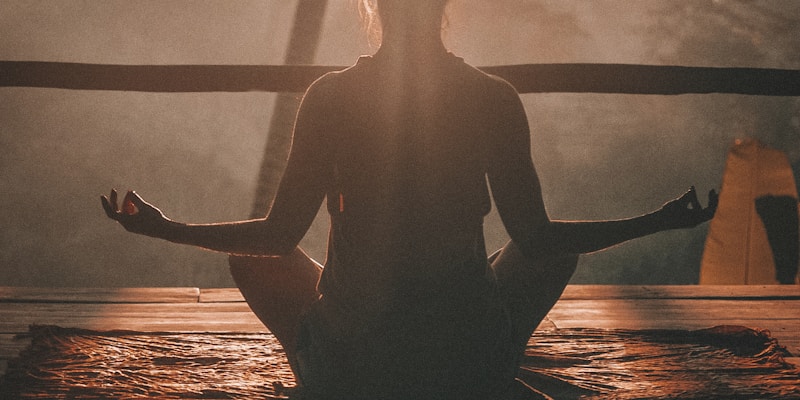
Programs range from one-day experiences (₩50,000) to weekend retreats (₩70,000-100,000). Reservations must be made in advance through the official temple stay website or calling the temple office directly. Basic English support is available, though Korean language skills enhance the experience.
What to bring: comfortable clothes for meditation, personal toiletries, flashlight, modest attire respecting Buddhist traditions (no shorts or sleeveless tops). The temple provides bedding, vegetarian meals, and meditation cushions.
Insider Tips for Your Visit
Maximize your Haeinsa Temple experience with these expert recommendations gathered from regular visitors and cultural guides:
Best Times to Visit
Spring (April-May): Cherry blossoms and azaleas bloom throughout the grounds, creating stunning photographic opportunities
Autumn (October-November): Fall foliage transforms the mountain into brilliant reds, oranges, and golds
Summer (June-August): Lush greenery and cooler mountain temperatures provide relief from lowland heat
Winter (December-February): Snow-covered temple buildings offer serene beauty with minimal crowds
Weekday mornings provide the most peaceful experience, as most tour groups arrive after 11 AM on weekends. If you visit on Saturday or Sunday, arrive when gates open to enjoy relative solitude.
Photography Guidelines
Photography is permitted in most temple areas except inside worship halls and the Janggyeong Panjeon interior. Exterior shots of buildings, gardens, and landscapes are encouraged. Respectful photography means avoiding flash near monks, not interrupting ceremonies, and staying behind marked barriers. Golden hour (early morning and late afternoon) provides the best natural lighting.
Additional practical tips:
- Dress modestly: Cover shoulders and knees; avoid revealing clothing out of respect
- Comfortable footwear: Extensive walking and stairs require good shoes; bring slip-ons for easy removal
- Bring cash: Limited card payment options; ATMs available in nearby Gayasan village
- Pack snacks and water: Limited dining options within temple grounds
- Respect silence: Keep voices low; turn phones to silent mode
- Follow temple etiquette: Bow when passing shrines; walk clockwise around structures
The temple operates a small restaurant serving traditional Korean temple cuisine (₩10,000-15,000 per meal). The vegetarian dishes follow Buddhist principles and offer unique flavors different from standard Korean food. Alternatively, several restaurants in Gayasan village at the park entrance provide various Korean meal options.
Cultural and Spiritual Significance
Understanding the deeper meaning of Haeinsa Temple enriches your visit beyond surface-level tourism. The temple represents centuries of Korean Buddhist devotion, artistic achievement, and cultural preservation.
As one of Korea's Three Jewel Temples, Haeinsa embodies the Dharma jewel of Buddhism—the teachings and wisdom of Buddha. The other two jewel temples are Tongdosa (Buddha jewel) and Songgwangsa (Sangha jewel), together representing the three treasures of Buddhist faith.
The Tripitaka Koreana serves not merely as historical artifact but as living scripture still consulted by Buddhist scholars worldwide. Monks at Haeinsa continue studying these texts, maintaining an unbroken tradition of Buddhist learning spanning over 750 years. The temple functions as both museum and monastery, preserving the past while actively practicing Buddhism.
Buddhist Cultural Experience
Visitors respectful of Buddhist traditions can participate in certain ceremonies. Morning chanting (4:30 AM) and evening chanting (6:00 PM) welcome observers who sit quietly at the back of the hall. Bowing practice, meditation instruction, and dharma talks occasionally include English translation for international guests.
The temple's survival through Korea's tumultuous history—Japanese invasions, Korean War, rapid modernization—demonstrates the resilience of Korean cultural identity. Many Korean temples were destroyed, but Haeinsa's remote mountain location and community protection kept both buildings and printing blocks intact.
Combining Your Visit with Nearby Attractions
Maximize your journey to this somewhat remote location by exploring the surrounding North Gyeongsang Province region, rich with cultural and natural attractions.
Gayasan National Park surrounds the temple with hiking trails, waterfalls, and mountain peaks. The park headquarters provides trail maps, camping information, and seasonal hiking recommendations. Popular trails include the summit route to Sangwangbong Peak and the gentler Hongryudong Valley trail.
Hapcheon Lake (30 minutes by car) offers water sports, lake cruises, and cycling paths around this scenic reservoir. Several pension houses and campgrounds provide budget accommodation options.
Hapcheon Image Theme Park recreates 1920s Korea with period film sets used in numerous historical dramas. Movie enthusiasts and photographers enjoy exploring the detailed historical reconstruction.

Traditional villages in the region preserve Joseon Dynasty architecture and rural lifestyle. Samga-ri Village near Haeinsa maintains traditional hanok houses where visitors can experience overnight stays in authentic historical buildings.
For comprehensive cultural tourism, create a multi-day itinerary combining Haeinsa with other South Korean UNESCO sites. The nearby cities of Daegu, Gyeongju, and Andong each offer distinct historical attractions within 1-2 hours' drive.
Frequently Asked Questions
Haeinsa Temple charges 3,000 KRW for adults and 1,500 KRW for children. The temple is open daily from 8:30 AM to 6:00 PM (winter hours may vary). Purchase tickets at the main entrance gate, and allow 2-3 hours for a complete visit including the Janggyeong Panjeon and mountain trails. An additional Gayasan National Park fee (3,500 KRW adults) applies since the temple is located within the park boundaries.
Related link: Gayasan National Park visitor guide
While the Tripitaka Koreana blocks are housed in the Janggyeong Panjeon, direct access to the storage halls is restricted to preserve these UNESCO World Heritage treasures. Visitors can view the buildings from outside and see detailed displays and replicas at the temple museum. Special viewing opportunities are occasionally available during cultural events. The exterior architecture itself is remarkable and worth photographing, demonstrating ancient preservation technology that has protected the blocks for over 750 years.
The temple offers several scenic walking paths. The Forest Trail behind the temple is a gentle 30-minute walk through pine forests, perfect for meditation and contemplation. For experienced hikers, the trail to Gayasan Peak takes 2-3 hours and offers panoramic mountain views reaching 1,430 meters elevation. The Meditation Path is a shorter option connecting various temple buildings through natural gardens. Hongryudong Valley Trail provides moderate difficulty with waterfalls and seasonal wildflowers along a crystal-clear stream.
Spring (April-May) and autumn (October-November) offer the most comfortable weather and stunning natural scenery. Cherry blossoms bloom in April, while autumn foliage peaks in late October through early November. Summer brings lush greenery but can be hot and humid, though mountain elevation provides cooler temperatures than lowland areas. Winter visits offer serene snow-covered landscapes with fewer tourists, creating peaceful contemplative atmosphere. Each season has unique beauty, so choose based on your weather preferences and photography interests.
Yes, Haeinsa offers temple stay programs ranging from one-day experiences to overnight programs. Participants can join meditation sessions, Buddhist ceremonies, tea ceremonies, and traditional vegetarian meals prepared according to Buddhist principles. Programs must be booked in advance through the temple's official website or Korean temple stay platforms. Costs range from 50,000 to 100,000 KRW depending on program length. Basic English support is available, and the experience welcomes both Buddhists and non-Buddhists interested in Korean temple culture and meditation practice.
Related link: Bulguksa Temple experiences
Conclusion: A Journey Into Korean Buddhist Heritage
Haeinsa Temple stands as more than just a tourist destination—it represents the living continuity of Korean Buddhist tradition, architectural genius, and cultural preservation spanning over twelve centuries. The Tripitaka Koreana housed within its ancient halls continues to inspire scholars, practitioners, and visitors from around the world.
Whether you come seeking spiritual enrichment, cultural education, mountain tranquility, or photographic inspiration, Haeinsa delivers an unforgettable experience. The combination of UNESCO World Heritage architecture, pristine natural surroundings, and active monastic life creates an atmosphere found nowhere else in Korea.
Your Visit Checklist
Before You Go: Check weather forecasts, book temple stay if interested, confirm bus schedules
What to Bring: Comfortable walking shoes, modest clothing, camera, water, cash
Must-See Highlights: Janggyeong Panjeon exterior, Daejeokgwangjeon Hall, mountain trails, temple museum
Respect Guidelines: Silence in temple areas, no shoes in buildings, photography restrictions observed
Plan your visit during weekday mornings for the most peaceful experience, allowing time to fully absorb the spiritual atmosphere without crowds. The journey to Haeinsa may require some effort, but this remoteness has protected these treasures through centuries of Korean history.
For travelers interested in comprehensive Korean Buddhist heritage, combine Haeinsa with visits to Bulguksa Temple and other significant sites throughout North Gyeongsang Province. Each temple offers unique architectural features, historical significance, and spiritual experiences that together paint a complete picture of Korean Buddhism's rich legacy.
The monks at Haeinsa continue their daily practices much as their predecessors did centuries ago—chanting sutras, meditating, maintaining the grounds, and studying the very scriptures carved onto those ancient wooden blocks. By visiting respectfully, you become part of this ongoing story, connecting past, present, and future in one of Korea's most sacred spaces.
Additional Resources
Official Haeinsa Temple website: haeinsa.or.kr
Korea Tourism Organization: Visit Korea
UNESCO World Heritage listing: UNESCO Heritage Sites
Korean Temple Stay program: Temple Stay Korea