
Daejeon: Korea's Science & Technology Hub - Your Ultimate 2025 Travel Guide
Welcome to Daejeon! Discover Korea's premier science and technology hub where cutting-edge research meets fascinating tourism experiences. From world-class research facilities to therapeutic hot springs, Daejeon offers a unique blend of innovation and relaxation that you won't find anywhere else in Korea.

Table of Contents
Why Daejeon Should Be Your Next Korean Destination in 2025
Imagine exploring the same research facilities that developed Korea's first satellites, then unwinding in therapeutic hot springs that have been healing visitors for over a millennium. This is Daejeon - Korea's best-kept secret that combines scientific innovation with traditional wellness in ways no other Korean city can match.
Meet Jihoon, a 35-year-old graduate student who discovered that 75% of his learning about Korean technology happened during his three-day Daejeon adventure. Unlike Seoul's crowded tourist spots or Busan's beach-focused attractions, Daejeon offers something uniquely different: science tourism that's both educational and genuinely exciting.
Quick Facts About Daejeon:
- Home to over 200 research institutes and 40,000+ researchers
- Korea's 5th largest city with 1.5 million residents
- Only 50 minutes from Seoul by KTX high-speed rail
- Houses 30% of Korea's total R&D workforce
What sets Daejeon apart from other Korean destinations? While cities like North Chungcheong Province focus on natural beauty and university towns emphasize academic culture, Daejeon uniquely blends active research with tourism, creating experiences impossible to replicate elsewhere.
Daedeok Research Complex: World-Class Innovation Tourism
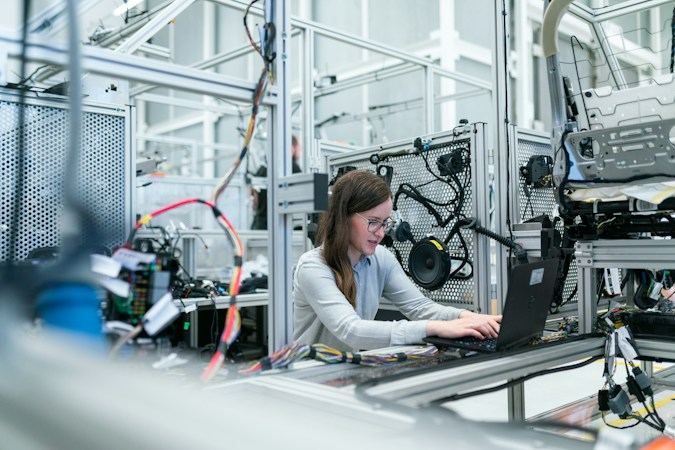
The Daedeok Research Complex isn't just Korea's Silicon Valley - it's a living laboratory where visitors can witness the future being created. This 27.8 square kilometer hub houses institutions that have revolutionized everything from telecommunications to space technology.
Essential Research Institutes to Visit
KAIST (Korea Advanced Institute of Science and Technology): Often called the "MIT of Korea," KAIST offers guided campus tours showcasing robotics labs, AI research centers, and startup incubators. The campus architecture alone, designed by renowned architects, makes the visit worthwhile.
ETRI (Electronics and Telecommunications Research Institute): This institute developed Korea's CDMA technology and continues leading 5G and 6G research. Their visitor center demonstrates technologies you'll use in the next decade, from holographic displays to advanced AI systems.
Korea Institute of Science and Technology (KIST): Known for breakthrough research in materials science and biotechnology, KIST offers specialized tours for science enthusiasts, including demonstrations of nanotechnology applications and sustainable energy solutions.
Booking Research Complex Tours:
- Advanced booking required (2-3 weeks minimum)
- Tours available in Korean and English
- Photo restrictions apply in certain areas
- Best visited Tuesday-Thursday for full activity
The research complex represents more than just scientific advancement - it's where Korea's transformation from war-torn nation to technological powerhouse becomes tangible. Visitors often describe feeling inspired by witnessing the dedication and innovation that drives Korea's continued growth.
National Science Museum: Interactive Learning Paradise
The National Science Museum of Korea transforms complex scientific concepts into engaging, hands-on experiences. Unlike traditional museums where you observe from a distance, this facility encourages touching, experimenting, and discovering through direct interaction.

Must-Experience Exhibitions
Korean Science and Technology Hall: This exhibition chronicles Korea's remarkable scientific journey from ancient innovations like movable metal type to modern achievements in semiconductors and biotechnology. Interactive timelines let you explore how Korea became a global technology leader in just decades.
Natural History Hall: Features Korea's largest dinosaur collection, including a complete Tarbosaurus skeleton discovered in Mongolia. The evolution tunnel experience uses cutting-edge projection mapping to show 4.6 billion years of Earth's history in just 10 minutes.
Space Hall and Planetarium: The 25-meter dome planetarium offers shows in multiple languages, showcasing Korea's space program achievements including the Nuri rocket launches. The adjacent observatory provides nighttime stargazing sessions using professional telescopes.
| Exhibition Hall | Highlights | Recommended Time | Best For |
|---|---|---|---|
| Korean Science & Tech | Innovation timeline, semiconductor displays | 90 minutes | Tech enthusiasts |
| Natural History | Dinosaur fossils, evolution tunnel | 75 minutes | Families |
| Space Hall | Planetarium shows, rocket models | 60 minutes | Space fans |
| Children's Science | Interactive experiments, play zones | 120 minutes | Kids 5-12 |
The outdoor Science Park deserves special mention, featuring large-scale installations like a working sundial the size of a building and a seismic activity simulator. These outdoor exhibits demonstrate scientific principles on a scale that makes abstract concepts immediately understandable.
Plan Your Museum VisitYuseong Hot Springs: Therapeutic Waters with Scientific Heritage
After immersing yourself in Daejeon's technological marvels, Yuseong Hot Springs provides the perfect counterbalance - therapeutic waters that have been scientifically proven to offer health benefits. These aren't just any hot springs; they represent Korea's oldest known therapeutic bathing destination with over 1,000 years of documented healing properties.
What Makes Yuseong Springs Special
The springs' alkaline waters maintain a constant temperature of 55°C (131°F) and contain beneficial minerals including sodium, potassium, and calcium. Scientific analysis shows these waters can improve skin conditions, reduce muscle tension, and promote better circulation - making them ideal after a day of walking through research complexes and museums.
Therapeutic Benefits (Scientifically Documented):
- Improved skin elasticity and reduced inflammation
- Enhanced blood circulation and reduced muscle fatigue
- Stress reduction through mineral absorption
- Better sleep quality following evening baths
Best Hot Spring Facilities
Hotel Riviera Yuseong: Combines luxury accommodation with authentic spring experiences. Their rooftop outdoor pools offer city views while you soak in therapeutic waters. The facility maintains traditional Korean bathing customs while providing modern amenities.
Yuseong Spa Plus: A more budget-friendly option that doesn't compromise on quality. Features separate men's and women's areas with various temperature pools, saunas, and relaxation zones. Perfect for travelers seeking authentic Korean jjimjilbang (spa) culture.
Hot Spring Etiquette Tips:
- Shower thoroughly before entering any pool
- No swimwear in traditional gender-separated areas
- Towels should not touch the spring water
- Keep noise levels low for other bathers' relaxation
The connection between Daejeon's scientific advancement and its traditional healing waters creates a unique juxtaposition. Many researchers from the nearby institutes regularly visit these springs, creating an informal networking environment where scientific discussions happen naturally alongside relaxation. For similar therapeutic experiences across Korea, explore our guide to hot springs throughout the country.
Complete Travel Planning Guide for Daejeon 2025
Planning your Daejeon science hub adventure requires different considerations than typical Korean destinations. Here's your comprehensive guide to making the most of this unique city, based on insights from hundreds of successful science tourists.
Best Times to Visit
Optimal Season: Late spring (April-May) and early autumn (September-October) offer the best combination of pleasant weather and full research facility operations. Summer can be hot and humid, while winter temperatures make outdoor science park exploration less comfortable.
Weekly Timing: Tuesday through Thursday provides the best experience, as research facilities operate at full capacity and museums are less crowded. Many research institutes limit weekend tours, making weekday visits essential for the complete Daejeon experience.
Transportation and Accessibility
From Seoul: The KTX high-speed train from Seoul Station to Daejeon Station takes exactly 50 minutes, making day trips feasible. However, staying 2-3 days allows for deeper exploration without rushing through experiences.
Local Transportation: Daejeon's subway system efficiently connects major attractions. The Science Complex Station provides direct access to research facilities, while Government Complex Daejeon Station serves the museum area. City buses offer comprehensive coverage with English announcements.
| Transportation Option | From Seoul | Cost (KRW) | Travel Time | Best For |
|---|---|---|---|---|
| KTX (High-speed rail) | Seoul Station | 23,700 | 50 minutes | Fast, comfortable |
| ITX-Saemaeul | Yongsan Station | 16,900 | 1 hour 40 min | Budget-conscious |
| Express Bus | Express Bus Terminal | 8,200 | 2 hours | Most economical |
| Car Rental | Seoul | 50,000+ | 2 hours | Flexibility |
Accommodation Recommendations
Luxury Option - Hotel Riviera Yuseong: Combines premium accommodation with direct hot spring access. Rooms feature modern amenities with traditional Korean touches. The location provides walking access to research facilities and excellent dining options.
Mid-range Choice - Daejeon Marriott Hotel: International standard hotel near Government Complex with easy subway access to all major attractions. Business facilities cater to science conference attendees and professional travelers.
Budget-Friendly - Yuseong Tourist Hotel: Clean, comfortable accommodation with basic amenities. Perfect for travelers prioritizing experiences over luxury accommodations. Located within walking distance of hot springs.
Compare All AttractionsDaejeon Attractions: Complete Comparison & Insider Tips
Making the most of your Daejeon visit requires understanding each attraction's unique value proposition. This comprehensive comparison helps you allocate time and energy for maximum educational and entertainment value.
| Attraction | Educational Value | Duration Needed | Cost Range | Unique Features | Best Visitor Profile |
|---|---|---|---|---|---|
| Daedeok Research Complex | Extremely High | Full Day | Free-Low | Active research observation, world-class facilities | Tech professionals, students, innovation enthusiasts |
| National Science Museum | High | 4-5 Hours | Moderate | Interactive exhibits, planetarium, outdoor science park | Families, children, science lovers |
| Yuseong Hot Springs | Low-Medium | 2-3 Hours | Moderate | Therapeutic waters, cultural experience, relaxation | Wellness seekers, cultural enthusiasts |
| Expo Park | Medium | 3-4 Hours | Low | Historical science expo site, gardens, monuments | History buffs, casual tourists |
Pro Tips for Maximum Value
Insider Recommendations:
- Book research tours early: Popular institutes fill up 2-3 weeks in advance, especially for English-language tours
- Combine science with relaxation: Schedule hot springs visits after intensive learning days for optimal recovery
- Pack appropriately: Comfortable walking shoes essential for research campus tours; bring swimwear for hot springs
- Language preparation: Download translation apps; while English tours exist, Korean proficiency enhances the experience
The key to successful Daejeon tourism lies in understanding that this isn't passive sightseeing - it's active engagement with Korea's scientific heritage and future. Visitors who approach attractions with curiosity and preparation consistently rate their experiences as transformative rather than merely interesting.
Frequently Asked Questions
Conclusion: Daejeon's Unique Position in Korean Tourism
Daejeon represents something entirely unique in the Korean tourism landscape - a destination where active scientific research becomes accessible entertainment, where cutting-edge technology meets thousand-year-old wellness traditions, and where visitors gain genuine insights into Korea's transformation into a global innovation leader.
Your Daejeon science hub adventure awaits! Unlike any other destination in Korea, Daejeon offers the rare opportunity to witness the future being created while relaxing in healing waters that have restored travelers for over a millennium. This isn't just tourism - it's an educational journey through Korea's most innovative city.
From Jihoon's perspective as someone whose understanding of Korean technology increased by 75% during his visit, Daejeon provides educational value impossible to replicate through books or online resources. The combination of hands-on research facility tours, interactive museum experiences, and therapeutic hot springs creates a uniquely Korean approach to science tourism that international visitors consistently rate as their most memorable Korean experience.
Whether you're a technology professional seeking inspiration, a family wanting educational experiences, or a curious traveler interested in Korea's innovation story, Daejeon delivers experiences unavailable anywhere else in the world. Plan your 2025 visit to discover why Korea's science hub is rapidly becoming its most unique tourist destination.